
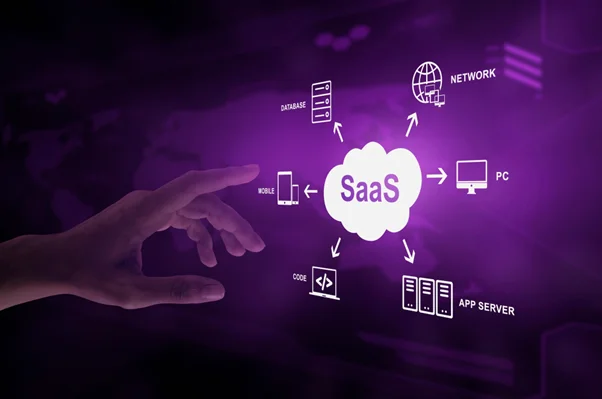
Modern policing demands a secure, mobile, scalable and cost-efficient technology. However, most law enforcement agencies continue to rely on outdated physical on-premise systems, which require a significant investment in capital, regular maintenance, and special IT resources. These old systems are becoming unsustainable as the level of operational complexity grows and budget constraints mount.
Consequently, police departments legacyaround the United States are shifting to Software as a Service (SaaS). SaaS will eliminate local host-based infrastructure and replace it with safe and effective cloud-based systems which will save the company more money, enhance cybersecurity and give the officers real-time access wherever it goes. However, rather than having to operate servers, updates, and disaster recovery within the agency, agencies subcontract with experts that provide constantly up-to-date, CJIS-compliant systems.
This trend is not fuelled by the cost saving aspect. SaaS allows mobile policing, accelerated deployments, automatic security patching, and embedded controls. SaaS platforms for Law enforcement, like PsPortal, demonstrate how cloud computing can support the rigid needs of criminal justice while improving operational efficiency.
This article explains the reason why police agencies are moving to SaaS platforms, the comparison of SaaS and on-premise services, financial and operational advantages, security issues, and recommendations on what agencies should consider in order to transition.
Understanding SaaS vs. Traditional On-Premise Police Software
The models of software deployment are very important in the efficiency of operations of the police agencies. The distinctions between the conventional on-premise platforms and the SaaS platforms extend beyond the hosting location to include the cost structure, security posture, scalability and accessibility of officers.
Traditional On-Premise Police Software
On-premise software is physically installed on the servers that are located within the agency. The agency has the responsibility of:
- Acquisition and upkeep of hardware.
- Implementing software patches and updates.
- Controlling backups and disaster recovery.
- Hiring IT professionals to maintain system availability and security.
Large software updates are usually done after every three to five years, and usually demand further licensing charges, system downtime, and retraining. The replacement cycles of hardware also add to its long term costs. Delay in updating systems lets them be susceptible to known security vulnerabilities.
SaaS Police Software Platforms
The SaaS solutions are stored in secure cloud systems and are linked via encrypted internet links. The vendor deals with infrastructure, updates, backup and security controls and the agencies pay a consistent subscription fee.
The officers and dispatchers use SaaS systems via secure browsers or mobile applications without the need to install any software at their workstations. The updates are automatic and updated continuously so that the agencies can always be working with a current and secure version.
On-Premise vs. SaaS Comparison
| Aspect | On-Premise Systems | SaaS Platforms |
|---|---|---|
| Infrastructure | Agency-owned servers | Vendor-managed cloud |
| Updates | Manual, infrequent | Automatic, continuous |
| Access | Local network or VPN | Secure access anywhere |
| Costs | High capital investment | Predictable subscription |
| IT Responsibility | Agency-managed | Vendor-managed |
| Scalability | Hardware upgrades required | Instant scaling |
| Disaster Recovery | Agency responsibility | Built-in redundancy |
The adoption of SaaS by many agencies is incremental and in between periods, hybrid environments are used. Such a slow pace is a sign of increasing confidence in law enforcement clouds and its capacity to address the needs of operations.
Traditional On-Premise Challenges Driving SaaS Migration
The shift to SaaS is not a fad based decision, but rather an answer to the constant operation and financial pressures.
High Infrastructure Costs
Physical security On-premise systems entail substantial investment in the servers, storage, cooling, and physical security. A medium size agency can invest between $50,000 and $200,000 on infrastructure alone and a replacement is needed after every three to five years.
Heavy IT Staffing Burden
The sustainability of local systems requires the services of experienced IT hands to handle the uptimes, updates, and security checks. Small departments might need full-time IT personnel with salaries of $100,000 on average per year, which adds to the recurring expenditures.
Outdated Software and Security Risks
The cost and disruptiveness of upgrades makes many agencies put off upgrades. Using software of five to ten years old places the systems at risk of known vulnerabilities and raises cyber risk.
Limited Mobile Access
Legacy systems were tailored to the use of the desktops in the agency networks. Remote access using VPN is also very slow and unreliable which restricts the officers to access important information in the field.
Disaster Recovery Limitations
Backups that are on-premises are often geographically placed in close proximity to primary servers. Systems may be unavailable for a long time due to natural disasters or power outages.
All these hurdles have come at a point of breakdown where the pressure to keep costs down, the threat of law enforcement technology, the security system and the inefficiencies are compelling the SaaS adoption not only desirable but mandatory.
Operational Advantages of SaaS for Police Agencies
The nature of SaaS platforms offers operational capabilities which traditional systems find difficult to offer.
- Anywhere access not dependent on VPN
- Field work workflow that is mobile-first
- Quick user registration without local installation
- The constant updates of the system without interruptions
- Built-in backup in case the operations cease.
These benefits directly justify the contemporary policing requirements and are in line with the current police software trends that are directed towards flexibility, mobility, and resilience.

PsPortal SaaS Platform: Purpose-Built for Law Enforcement Database Access
PsPortal is a police-specific SaaS that is created in order to offer secure access to NCIC and NLETS along with state criminal justice databases. Having over 30 years of experience supporting police agencies, PsPortal was not based on a general business software but crafted to fit CJIS-regulated settings.
PsPortal has proven scalability, reliability and compliance at scale, supports many thousands of agencies and processes millions of database queries each day.
Zero-Footprint Browser-Based Architecture
The Portal XL by PsPortal is a securely justified use of browsers, which means that the workstations, mobile data terminals, and even personal computers are not required to install any software to obtain access to the criminal justice databases. None of the Criminal Justice Information (CJI) is stored locally.
In case of device loss or theft, there is no exposure to sensitive information, which has a major effect on reducing breaches and makes compliance management easier.
CJIS Compliance Built Into the Platform
The architecture of PsPortal is based on CJIS compliance. The platform is based on a CJIS-compliant cloud platform that has a signed FBI Security Addendum and ongoing compliance audits.
Agencies are not in charge of compliance on the infrastructure level. At the time of audit, comprehensive logs and documentation is able to be created in minutes which helps to minimize administration load.
Cost Efficiency Through the SaaS Model
PsPortal allows removing the need of:
- Server purchases
- Backup hardware and server rooms
- Specialized infrastructure maintenance
Agencies may save significant initial expenditures and will have certain subscription rates. PsPortals handles updates, security and availability 24/7 which has allowed even small agencies to gain access to enterprise grade systems with no full time IT personnel.
Automatic Security, Auditing, and Monitoring
There are security patching and updating of the CJIS policies that are centrally deployed on the platform. Any transaction on NCIC and NLETS is automatically captured with the aid of audit trails that cannot be tampered with.
Live tracking of activities is an indicator of suspicious activities which allow supervisors to act as quickly as possible and be accountable.
Mobile Access and Multi-Agency Management
PsPortal offers an encrypted mobile interface with its Personal Portal on iOS and Android with:
- Multi-factor authentication
- Role-based access controls
- No local data storage
The NCIC operator compliance is enforced by its Testing & Certification module, and the Super Administrator platform enables counties and regions to manage all the agencies using a single dashboard.
A combination of these features demonstrates why PsPortal provides the operational, security, and compliance benefits that are moving SaaS towards law enforcement.
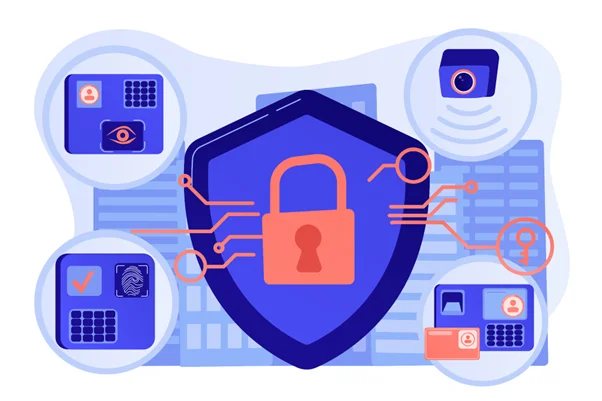
Enhanced Security and CJIS Compliance with SaaS Platforms
One of the most important issues in law enforcement technology decisions relates to security. Although the initial adoption of clouds was subject to doubt, the current law enforcement SaaS solutions tend to offer better protection than on-premise solutions.
SaaS providers use single-purpose environments that are monitored by specialized cybersecurity teams and have enterprise-level controls that are out of reach of most agencies. These platforms are set to react fast to the arising threats with automatic patching and centralized security controls.
Centralized and Proactive Security Controls
SaaS platforms update patches and updates in real time as opposed to on-premise systems, where security updates can be delayed because of downtime, or because of the limited number of staff available. This goes a long way in exposure to known weaknesses.
Some of the important security features are:
- Confidential types of information in transit and at rest
- Intrusion detection system and intrusion prevention system
- Distributed denial-of-service (DDoS) protection
- Security surveillance in real-time.
- Data centers that are physically secured and access controlled.
Such protections are kept at scale and refreshed as threats change to establish a higher baseline security posture.
CJIS Compliance as a Core attach Architecture
Law enforcement software does not have the option to comply with CJIS. Responsible SaaS providers create their systems to fulfill the CJIS demand at the infrastructural level and beyond.
This includes:
- Signed FBI Security Addendums
- Role-based access controls
- Very high authentication and auditing
- Comprehensive audit trails
- Continuous monitoring and reporting of compliance.
Instead of trying to manage compliance on their own, the agencies that utilize CJIS-compliant SaaS services have compliance controls, which lessen the complexity of the audit and administration responsibility.
Built-In Resilience and Disaster Recovery
SaaS solutions on the cloud have geographic redundancy and automated failover. In case of a data center unavailability caused by a natural disaster or downtime, the systems may take over to the back-ups automatically.
This degree of resiliency is hard and expensive to achieve when using on-premise infrastructure, but it is necessary in the event of uninterrupted access to mission-critical systems.

Addressing Common SaaS Security Concerns for Law Enforcement
Although cloud-based systems are widely embraced, there are still some agencies that are still wary of this method. The majority of issues are based on outdated assumptions as compared to the existing operational realities.
“Is cloud data really more secure than our server room?”
In practice, yes. Specialized law enforcement SaaS systems are also generally more secure compared to server rooms managed by agencies. The vendors are using dedicated security teams, round-the clock monitoring and enterprise infrastructure that is incomparable to small or understaffed IT departments.
“What happens if internet connectivity fails?”
Internet connectivity is already being used extensively by law enforcement in CAD, NCIC and communications. The mitigation of risk by SaaS platforms includes:
- Unnecessary internet connections
- Mobile fallback Cellular network access
- Availability infrastructure of clouds
Such alternatives are usually more dependable and inexpensive to keep as opposed to keeping local redundancy.
“Do agencies lose control of their data?”
No. The agency will still own the data. SaaS contracts indicate data ownership, access privileges, portability and extracting process so that agencies have full control of their information.
“Can the cloud truly meet CJIS requirements?”
Yes–when well planned and controlled. Vendors of SaaS that are CJIS-compliant have signed Security Addendums, have access controls, and regularly update their policies to align with the changes in the CJIS requirements.
“What about vendor access to sensitive data?”
Vendor personnel are strictly restricted to access and the access is logged and controlled through contractual means. This is achieved by encryption, auditing and role restrictions to avoid unauthorized access and accountability.
Being aware of these facts can enable agencies to assess SaaS platforms without emotional restraint and get rid of the old and unrealistic perceptions.

Planning Your Agency’s Migration to SaaS Platforms
The implementation of SaaS cannot be successful without a clear plan, but rather fast. Agencies that are strategic in their approach to migration have an easy transition and enhanced success.
1. Assess Current Systems and Costs
Start with a list of all systems in place, RMS, CAD, database access, evidence management and find the real total cost of ownership. This should include:
- Hardware and replacement cycle
- IT staffing and overtime
- Maintenance and upgrading expenses
- Downtime risk and operational risk
This discussion creates a definite foundation of assessing the benefits of SaaS.
2. Prioritize CJIS-Compliant, Law Enforcement–Specific Vendors
Vendors that have experience working in criminal justice settings and have a documented CJIS compliance are to be targeted by the agencies. General business SaaS platforms can hardly be expected to comply with law enforcement requirements without extensive alteration.
3. Start with a Pilot Program
The majority of agencies start using SaaS with small-scale pilots, which may be database access or other support systems. Pilot programs which are usually 3-6 months give the agencies the chance to test performance, usability, and security before wider use.
4. Use a Phased Migration Approach
Agencies do not move to all systems at the same time; instead, transitioning is more likely to take one or three years. Hybrid environment enables both SaaS and on-premise to co-exist and the risk is reduced to bare minimum and the staff attunes to the new work process.
5. Manage Change and Training
It is imperative to change management. Resistance can be minimized through training, effective communication, and internal champions to develop confidence in officers and personnel.
Continued performance tracking will see agencies achieve the maximum advantages of adopting SaaS and divert saving to mission-critical areas.

Future Trends in Law Enforcement Software and SaaS Adoption
Flexibility, interoperability and long-term cost control emerge as key priorities in agencies as law enforcement operations increasingly rely on data and interconnect with each other. These are priorities that are propelling the change towards a SaaS-first software strategy.
SaaS-First Technology Planning
The agencies are shifting towards non-permanent hardware services like subscriptions that can be extended as the operation increases. SaaS models enable the departments to:
- Add or subtract users with no infrastructure modifications
- Automatic access to new features
- Eliminate expensive upgrades of systems every few years
Such a strategy helps in long term planning and less technical debt.
Interoperability and System Integration
Contemporary policing activities are based on a variety of related systems, such as RMS, CAD, evidence management, and analytics. SaaS is gradually becoming provision of:
- Open APIs
- Standardized data formats
- Built-in extensions into CJIS systems and third-party applications.
Enhanced interoperability will decrease manual data entry, increase situational awareness, and share information across jurisdictions.
AI-Enhanced Operational Efficiency
AI is no longer a hypothetical idea being utilized in law enforcement software but a reality today. SaaS solutions are best suited to responsibly and at scale implement AI features such as:
- Automation of report writing
- Data analysis and pattern recognition
- Optimization of search in big data
- Automation in administrative responses
Due to the continuous updates of SaaS, the agencies receive access to AI-driven improvements without disruptive upgrades.
Frequently Asked Questions (FAQs)
Is SaaS suitable for small and mid-sized law enforcement agencies?
Yes. Small and mid-sized agencies are especially suited to SaaS platforms since they do not require the use of dedicated infrastructure and large teams of IT personnel.
How long does it take to transition from on-premise to SaaS systems?
Depending on the complexity of systems and the need of data migration, most agencies finish the initial SaaS integration in 3 to 12 months. Complete transitions can be completed in phases of one to three years to reduce operational interruption.
Are SaaS platforms customizable for agency-specific workflows?
Contemporary law enforcement SaaS services have customizable workflows, access control, and customizable features. Without altering code, the agencies are able to customize processes without affecting upgrade compatibility.
What happens to data if an agency switches vendors?
The vendors of CJIS-conforming SaaS offer documented data export and portability. Agencies also keep their data and are able to access it in standardized formats in the event that they switch platforms.
How do SaaS platforms support audits and compliance reviews?
SaaS solutions will keep comprehensive access records, audit trails, and compliance records. These characteristics make internal reviews and external audits easier than the systems maintained manually and on-premises.

Conclusion: A Strategic Shift Toward Sustainable Law Enforcement Technology
It is no longer a question of whether or when the transformation of on-premise software to SaaS is going to take place. The law enforcement is under strain to be more transparent, efficient, and resilient, and to be doing so with limited budgets.
The following are some of the challenges that are tackled through SaaS platforms: the cost of infrastructure is minimized, security is reinforced, compliance is simplified, and improvement is ongoing. Combined with intentional planning and CJIS-qualified vendors, SaaS implementation will enable agencies to concentrate on mission-centered work instead of managing the system.
SaaS is a long-term, sustainable model that suits the current needs of law enforcement in the 21st century, and this is why the idea of SaaS can be taken into account when agencies are managing technology plans in the long run.