
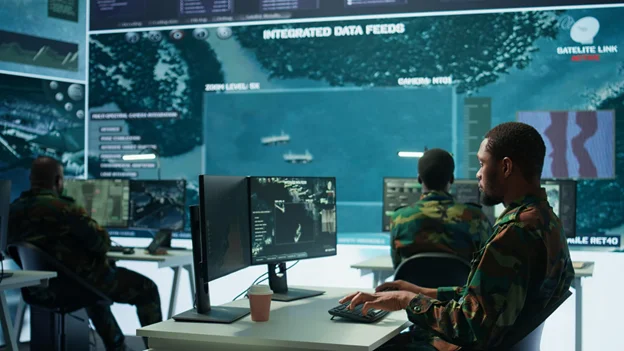
How technology improves police response time comes down to its ability to help officers reach emergencies faster. Modern computer-aided dispatch, GPS-based unit tracking, mobile data access, instant database queries, and real-time communication work together to reduce the delay between the 911 call and the arrival of officers on scene.
Modern tools refine every part of the response chain, from the moment a call comes in to dispatch, travel time, and what officers can see once they’re on scene. CAD helps call takers move faster, while GPS and AVL decrease travel time by routing the closest units. And with mobile terminals, officers aren’t working in the dark. They’ve got intel at their fingertips, making field operations smoother and more connected.
This guide discusses specific law enforcement technologies and their benefits. It also demonstrates how technology reduces police response times in real-world operations.
Understanding Police Response Time Components
Police response time becomes easier to understand when you break it into clear phases. It gives you a simple baseline for seeing where delays happen and how modern police tech is cutting them down. From faster dispatching to smarter routing and real-time data sharing, here’s how today’s innovations are speeding up every step of the emergency response process.
1. Call Processing Time (911 to Dispatch)
Call processing starts the moment a 911 operator answers, collects details, assesses urgency, and enters information into the CAD system. What used to take two to four minutes can now be handled in just one or two, thanks to CAD automation.
2. Dispatch Time (Dispatch to Officer Notification)
Dispatch time follows as dispatchers identify available units, select the closest officer, and transmit incident details. Manual processes took one to three minutes, but GPS-based automatic unit recommendations can shorten it to 30 seconds to a minute.
3. Travel Time (Officer En Route to Scene)
Officers then head to the scene, with travel time influenced by distance, traffic, and area familiarity. What once took five to fifteen minutes using traditional systems is reduced by 10 to 20 percent using GPS navigation and real-time traffic routing.
4. Information Access Time (Officer Queries Databases)
As officers arrive at the scene, they need quick access to important information, such as warrants, criminal records, or vehicle details.police softwareNCICGPS tracking Radio requests take three to five minutes, but mobile database access cloud-based enables officers to conduct self-queries and receive results in as quick as thirty seconds.
Overall, priority calls used to take anywhere from eight to twenty-two minutes to handle. But with modern police technology, officers are now reaching scenes in five to public safety fifteen minutes.
With officers arriving more quickly, faster response times go beyond simply saving minutes. They also help keep officers safer through immediate access to warrants and intelligence, protect the public, improve case outcomes, and strengthen trust within the community.
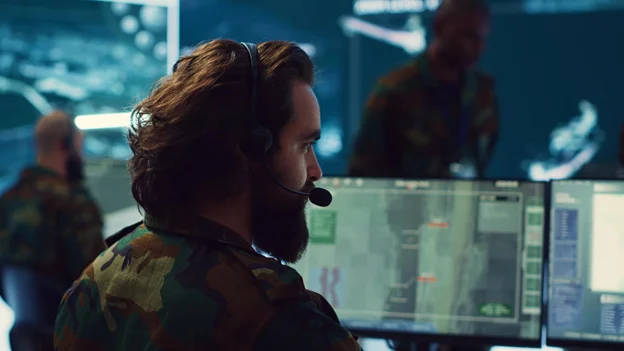
Computer-Aided Dispatch: Automating Call Processing and Unit Assignment
Computer-Aided Dispatch (CAD) is the primary technology that improves police response time by automating call processing and unit assignment. This section shows how CAD works as a smart policing solution.
Automated Call Processing
911 calls auto-populate CAD with caller details, including address, phone, and call history. CAD then refers to pre-defined incident types to automatically assign speed classification and priority levels. Dispatchers won’t have to manually enter data, reducing processing from 3-4 minutes to 1-2 minutes.
Intelligent Unit Recommendation
CAD algorithms analyze unit availability, location, and status in the background. When paired with GPS, dispatchers see real-time positions and can factor in whether they need specialized units like K9 teams, detectives, or supervisors depending on what the situation calls for.
Instead of manually selecting the right unit, dispatchers can assign resources with a click. This brings unit assignment times down to a minute, or even as fast as 30 seconds, because CAD systems handle all the heavy sorting needed.
Premise History and Hazard Warnings
CAD gives dispatchers and officers instant context, such as previous calls at the address, known hazards like weapons or violent history, and other details that would normally take time to dig up. So instead of doing pre-response research, officers get critical information right away, which helps them understand the situation faster and plan their approach before they even pull up on scene.
Mobile CAD Integration
Mobile CAD integration is emerging as one of the most important technology tools for faster police response. It sends dispatches directly to officer mobile devices, launching GPS navigation and providing call details, mapping, and premise history. Communication delays are minimized, as it no longer requires radio communication.
Faster Police Response in Action
A dispatcher takes a domestic violence call, and the CAD system immediately pulls up the address, caller information, and history. It shows three prior incidents and any weapons involved, giving officers clear situational awareness before they leave the station. GPS shows Unit 5 is only 0.8 miles away.
With a single click, the dispatcher sends the call straight to the officer’s MDT, complete with directions and essential details. The officer gets the alert in ninety seconds, which helps prevent delays and keeps the situation under control.
GPS and Mobile Technology: Faster Unit Deployment and Navigation
GPS and mobile technology improve law enforcement efficiency by letting dispatchers see where units are in real-time and choose the closest officer and helping officers get to scenes faster. It also shares directions and key details to provide guidance while officers are on the move.
GPS-Based Unit Tracking (AVL)
Dispatchers can see exactly where officers and their status are in real-time, with constant updates every 30 seconds. This lets them quickly identify and send the closest available unit and adjust routes on the fly, cutting travel distance and time by 15–25%.
Mobile Navigation
Officers receive turn-by-turn directions with real-time traffic analysis integration and alternative route recommendations to avoid congestion during an emergency response. With mobile navigation, officers can easily reach incident locations, even in unfamiliar areas.
Mobile Data Terminals (MDTs)
Officers get instant dispatches, call details, maps, photos, and property history right on their in-vehicle computers or tablets. Quick status updates with a simple button press reduce radio traffic and keep the team coordinated in the field.
Mobile Database Access
A key technology tool for faster police response is mobile database access. Officers can query NCIC, Nlets, and DMV databases directly from mobile devices without dispatcher mediation. Mobile apps, like PsPortals’ Personal Portal, support instant field database queries for real-time warrant checks during traffic stops and criminal history access during investigations.
Field Reporting
Officers can fill out reports and citations directly on tablets while in the field, so they don’t have to return to the station. This cuts downtime, keeps more units available for calls, and greatly boosts overall response capacity.
Optimizing Field Response with PsPortals
During a traffic stop, an officer uses Personal Portal on a smartphone to run a warrant check in just 30 seconds and accesses prior records instantly.
The officer completes the citation electronically on a tablet in five minutes and updates availability for the next call, saving roughly forty minutes compared to traditional station-based reporting and paperwork processes.
Instant Database Access: Eliminating Information Delays
Database query speed is vital for police response. In the past, officers had to radio requests to dispatchers, who then looked up NCIC and relayed the results, creating 3–5 minute delays and congested radio channels.
Modern mobile database access allows officers to query NCIC, Nlets, and DMV directly from smartphones or tablets without dispatcher involvement to avoid radio traffic. Zero-footprint mobile apps, such as PsPortals’ Personal Portal, improve police response, as they offer secure remote access while returning instant results (15–30 seconds).
Response Time Impact Scenarios
Traffic Stop
During a traffic stop, officers traditionally radio dispatch for a license or warrant check, waiting three to four minutes. With a mobile app, results arrive in thirty seconds that enable officers to be better-informed before approaching vehicles.
911 Call Response
Traditionally, dispatchers manually query suspect information and relay it to officers on the road via radio, taking five minutes. With Portal XL in CAD, officers receive details on MDT in approximately ninety seconds, thanks to integrated database access.
Officers will arrive at the scene of the incident knowing whether the suspect has a violent history or an outstanding warrant, which prepares them for high-risk encounters.
Investigation
When a detective needs criminal history for multiple suspects, they used to wait for hours or even days and weeks for authorities to sort through files of criminal history records.
With Portal XL, NCIC-certified operators can run instant queries using CJIS-compliant tools for faster police action. Investigation times are shortened and criminal justice is promptly delivered.
Database Access Technology Requirements
Before law enforcement agencies can access criminal justice databases, they have to adhere to strict requirements, including:
- CJIS Compliance for personnel, technology, policies, and procedures
- Secure, encrypted, and audited mobile and desktop access
- Integration with CAD and RMS systems to centralize the data ecosystem
- Zero-footprint architecture, so no data is locally stored in case a device is stolen, lost, or compromised.
Law enforcement agencies can improve police response times with PsPortals’ Portal XL and Personal Portal. These CJIS-compliant tools provide real-time access to criminal justice databases from the field or office.
Real-Time Communication: Reducing Radio Delays
Radio congestion creates critical bottlenecks during police operations. Fortunately, today’s smart policing solutions reduce radio congestion. Dispatchers can complete subsequent calls faster and officers can access information without waiting for channels.
This section demonstrates how law enforcement tech benefits daily policing operations.
Mobile Data Communication
MDTs enable text-based messaging between officers and dispatch, including unit-to-unit and dispatch-to-officer updates. This law enforcement technology improves efficiency by reducing radio traffic, which consequently leads to faster response times.
Automated Status Updates
Officers can update their CAD status, en route, on scene, or available, at the push of a button, without using the radio. Dispatchers see updates instantly, removing the need for back-and-forth status reports.
Integrated Database Queries
Officers can access databases directly from their MDTs without using the radio. Requests that once required waiting for a response, like checking a vehicle, now show results instantly on the screen.
Push Notifications
Critical alerts, BOLOs, and hazard warnings go out to all units at once much faster than radio announcements, so officers get urgent information immediately.
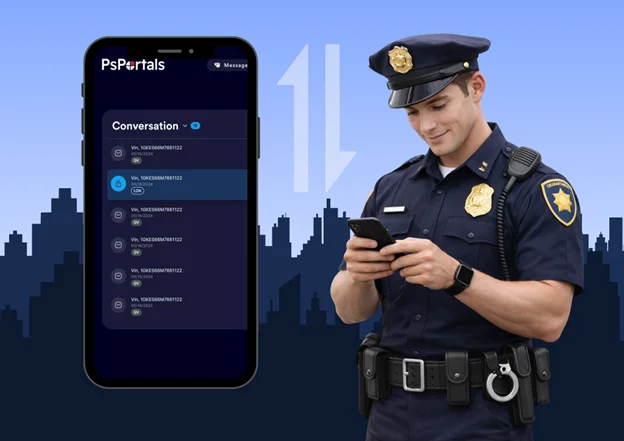
PsPortals: Purpose-Built Database Access for Faster Police Response
PsPortals is a specialized database access technology designed to reduce information sharing delays by providing instant access and queries to NCIC and Nlets instead of the traditional dispatcher-mediated processes.
For over 30 years, PsPortals has focused on speed, security, and reliability to help improve police response times.
How PsPortals Improves Police Response Time
From faster database queries to zero-footprint security, remote database access, comprehensive audits, and automatic CJIS-compliance monitoring, here are the PsPortals features to improve police response.
1. Instant Mobile Database Queries (Personal Portal)
PsPortals’ Personal Portal runs on both iOS and Android, letting officers pull NCIC, Nlets, and state database results straight from their phones or tablets. No dispatcher needed, and results typically come back in 15–30 seconds, which makes a noticeable difference in the field.
Instead of calling dispatchers and waiting three to five minutes for results, officers can query directly with Personal Portal, saving 2.5–4.5 minutes per check. Just 15 queries a day can free up about an hour to allocate to patrol time.
Having access to critical information on the go also keeps officers safer. They can check a subject’s warrants or criminal history before approaching, and real-time updates let them adjust tactics, call for backup, and handle situations with confidence.
In real operations, when an officer goes to a call about a suspicious person, they can quickly check the person’s name using Personal Portal. They receive results in just 30 seconds, which is far faster than the usual four-minute wait.
The check shows the subject has an active felony warrant and a violent history. With that information, the officer calls for backup and approaches carefully, staying safer and making smarter decisions than with the slower, dispatcher-mediated process.
2. Zero-Footprint Mobile Architecture
PsPortals’ zero-footprint mobile architecture stores no law enforcement data on mobile devices. All queries are encrypted and only displayed on screen without caching. Stolen devices contain zero sensitive information. Thanks to CJIS-compliant mobile access, officers can confidently use personal or agency smartphones in the field.
3. Desktop Database Access (Portal XL)
Portal XL gives dispatchers and detectives the ability to query NCIC, Nlets, and state databases on the fly, while records personnel can process requests instantly, all from a simple web browser. Because it’s browser-based, there’s zero software installation, no extra hardware overhead, and far fewer operational disruptions.
Integrated CAD functionality makes workflows smoother. Portal XL works directly within CAD systems, so dispatchers can query and update incident records in one place. Results pop up automatically, no switching between systems, and all critical information is captured quickly during 911 calls.
This rapid access dramatically improves response times. For example, during a domestic violence call, dispatchers query a subject’s warrant status while the 911 operator gathers details. Results appear in fifteen seconds, allowing officers to receive critical intelligence immediately, compared to traditional three-to-four-minute delays.
4. Comprehensive But Fast Audit Logging
Every PsPortals query is automatically logged for CJIS compliance, requiring no user action. This eliminates manual delays, maintains system speed, ensures accountability, and allows officers to focus on policing rather than documentation tasks.
5. 24/7 Reliability
PsPortals’ cloud platform is built with geographic redundancy to guarantee a 99.9% uptime, so public safety operations don’t get slowed down by outages. And if something does go wrong in one region, automatic failover steps in, which keeps officers connected and their tools running without interruption.
6. Multi-Agency Efficiency (Super Administrator)
PsPortals enables regional database access for multi-agency responses, allowing all responders to use the same infrastructure during mutual aid scenarios. This ensures consistent query speed across jurisdictions, as demonstrated by county task force officers from ten agencies accessing information instantly.
7. NCIC Certification Management (Testing & Certification)
PsPortals makes sure only certified operators can access databases and prevents access delays from unauthorized users trying to run queries. Automated tracking and instant verification guarantee CJIS compliance background check for law enforcement agencies at all times.
Frequently Asked Questions About Technology and Police Response Time
How does technology improve police response time?
Technology improves police response time by using computer-aided dispatch to automate call processing and unit assignment, and GPS-based tracking to identify the nearest available officers to reduce travel distance.
Mobile data access and instant database queries via secure mobile apps like Personal Portal are also key factors to improve police response. Studies show faster police response times when using modern technological tools due to rapid data sharing and integrated systems.
What technology provides the fastest database access for officers?
The best tech solution for police response time should let officers query NCIC and Nlets directly from the field. PsPortals’ Personal Portal shows what best practice looks like, iOS and Android apps that return results in 15–30 seconds instead of the traditional 3–5 minutes.
With zero-footprint architecture, CJIS-compliant encryption, and automatic logging, officers save 2.5–4.5 minutes per query. If officers conduct over 10–20 queries a day, that means 40–60 extra minutes for patrol, plus faster responses and better officer safety.
How much time does mobile database access save officers?
Mobile database access improves law enforcement efficiency, saving 2.5–4.5 minutes per query compared to traditional dispatcher processes. That means running 15 queries a day can give an officer back 40–75 minutes, which is almost an extra hour on patrol. In a 50-officer department, that adds up to 50 extra patrol hours daily.
These technology tools for faster police response also help officers arrive on scene fully informed and aware of warrants or potential threats, improving both safety and decision-making.
What is the best technology solution for improving police response time?
The best tech solution for police response time is an integrated ecosystem that combines modern CAD, GPS unit tracking, mobile data terminals (MDTs), and instant database access. PsPortals police response optimization software, including Portal XL for dispatch and Personal Portal for mobile database access, removes delays in accessing critical information.
With over 30 years working within law enforcement, browser-based desktop access, zero-footprint mobile apps, CJIS-compliant infrastructure, and 24/7 reliability, PsPortals delivers smart policing solutions that boost speed, security, and operational efficiency for thousands of agencies.
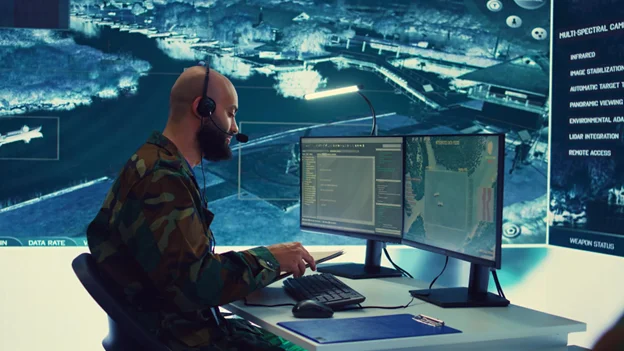
Technology as Force Multiplier for Police Response
It’s clear how technology improves police response time at every step. CAD speeds call handling, GPS helps dispatch the right unit, mobile database queries surface critical info instantly, and real-time comms keep everyone coordinated.
The impact shows up in the numbers. Response times often improve 15–30%, database checks finish minutes faster, and officers gain nearly an hour of extra patrol time per shift. Daily operations simply feel smoother, safer, and more efficient.
Beyond speed, tech also boosts officer safety through better situational awareness, improves case outcomes with cleaner intelligence, and increases resource efficiency by freeing up more available units.
With that said, modern policing demands faster response times. Start by taking note of where things tend to slow down. Then, focus on technology that actually fixes the issue.
For database access speed, consider purpose-built tools like PsPortals. It can be your go-to technological solution to deliver faster database results for sharpened field intelligence and real-time insights.
Technology doesn’t just improve police response time, but also transforms how information is accessed, units are dispatched, and operations are managed. By using law enforcement tech, agencies can turn minutes of delay into seconds of action when every moment matters for public and officer safety.